 Robinson Plumbing offers a full line of plumbing services. Our plumbing experts have the skills and experience to understand any issues that you are experiencing with your plumbing system. They understand how to fix them quickly and efficiently. At Robinson Plumbing, we will offer you all of your available solutions so that you can make an informed decision on how you want us to go about repairing any issues. Furthermore, all of our plumbing services are affordable. As a family-owned business, we are interested in delivering honest prices for great services. It is how we have earned the trust of our loyal customers. When working with us, you can expect friendly, knowledgeable, and professional services. We will take the time to explain the causes for the issue and answer any questions that you may have. Call our office today to schedule a free estimate.
What You Need To Know About Backflow
A plumbing system that does not receive the right care is at risk of various problems, including backflow. The issue of backflow occurs when water starts flowing in the wrong direction. The home has different lines for transporting potable fresh water in and drainage out. During backflow, the drainage water can flow back into the house and mix with the fresh water supply, which is hazardous. A backflow problem in the plumbing system can be hard to spot sometimes until it is too late. The best solution is to apply preventative measures to ensure that the risks of such occurrences are minimal.
Causes Of Backflow
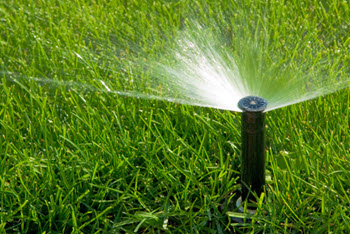 To prevent backflow in a home's plumbing, a homeowner must understand what causes it. One element to learn is that backflow is not a result of a clog in the system. The most frequent cause is an imbalance in the pressure level inside the plumbing. For a plumbing system to function optimally, the pressure in the water supply has to be higher than that in the pipes so that clean water can flow into the residence. When there is a pressure imbalance, it will result in strong backstream pressure that exceeds the upstream pressure. This imbalance causes drainage water to flow back. Pressure imbalances can happen when a firefighting emergency uses up most of the water, temperatures spike in a boiler, or a water main line breaks. This backflow can result in contamination, making potable water unsafe for use. For a home with sprinklers or a garden hose fitted with pesticide or fertilizer applicators, any backflow will cause the water to suck these contaminants into the system, which is dangerous. Common cross-connections are also big contributors to backflow issues in a home plumbing system. A cross connection refers to a physical link between an end use system like a water fixture, hose, irrigation system or water conditioning unit to the potable water.
Backflow Prevention Options
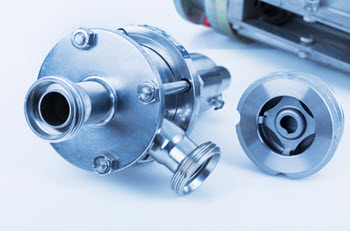 During installation, plumbers fit water backflow preventers in the plumbing system to ensure that this problem does not occur. A plumber places them inside the pipes to prevent water from flowing back into the supply system. They provide a necessary air gap that eliminates cross-connections. It forces water to move only in the desired direction. A defective backflow preventer is, therefore, another culprit that can result in backflow. An effective measure to prevent backflow is... to ensure that that the backflow preventers are in good condition. Proper installation of the backflow preventers in the different sections of a plumbing system is critical. A backflow preventer should be present in lawn irrigation systems, chemical sprayers, and hose connections. Various parts of the plumbing should use the right devices, especially the cross-connections for satisfactory results. Backflow preventers contain moving parts, so when there is no flow or pressure such as during winterization or de-pressurization, the components are at risk of failure. Periodic backflow preventer testing by a plumber can tell if they are functioning optimally. The design of standard plumbing fixtures in the home have inbuilt air gaps that prevent backflow and the risk of contamination. Additional protection in the form of backflow preventers is necessary when connecting directly to the potable water system.
 Get Trusted Plumbing Services
For backflow testing, be sure to contact Robinson Plumbing. Our trained plumbing experts will ensure that your devices are working correctly. They will thoroughly inspect your system to ensure that there aren't any issues on the rise so that you can feel the peace of mind that your plumbing system is working as it should. We also offer other plumbing services including water leaks, plumbing fixture installations, water heater repairs, sump pump installations, and much more. Click here to see all that Robinson Plumbing can do for you. Call our office today to schedule a free estimate. Call us today at (610) 351-9889 or contact us for any questions that you might have!
 Backflow Prevention: Homeowner Information originated at Robinson Plumbers

 As much as plumbing systems were built to last, there comes the time when one of the pipes in your home requires a repair or replacement. Sometimes a tree root can make its way into the
  One symptom of a problematic water line... is plumbing
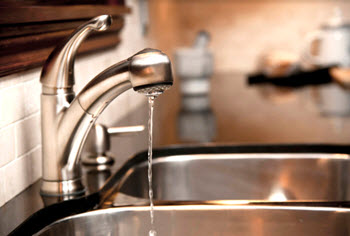 When the water pressure suddenly seems to drop, it is symptomatic of a water line issue. Be sure to monitor any low water pressure issues in your home. Pay attention to the force of the water flow that comes out of
 When you need a PA plumber, Robinson Plumbing can take care of you. Our
 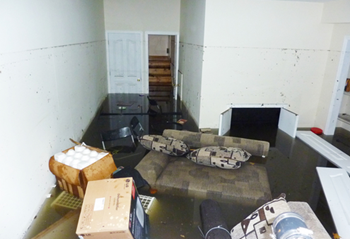 If you have not had a sump pump installation, right before spring hits is an excellent time to make that call to a plumber. Sump pumps stop water from entering the home and direct excessive water levels away from your home.
 Do a check on all the home's faucets and shower heads to find any
 When you are looking for a Bethlehem PA
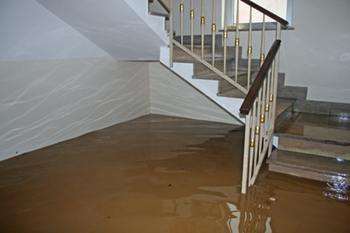
 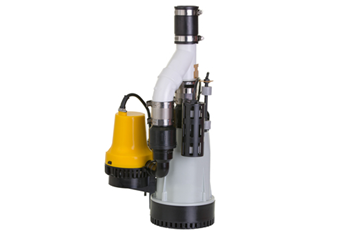 While flooding can happen any time of year, it is far more likely to occur in the spring. With excess amounts of snow melting and rainfall, the melt-off needs somewhere to go. For many unfortunate people, that location often ends up under, around, and inside the home.
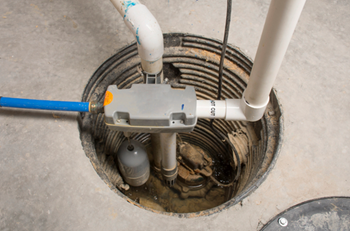 There are two main kinds of sump pumps: pedestals and submersibles. There are also floor-sucker pumps. They remove water from the surface of a floor. Water-powered pumps work with a home's
  When you need trusted
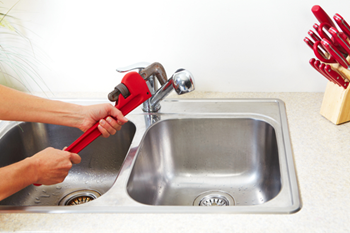
 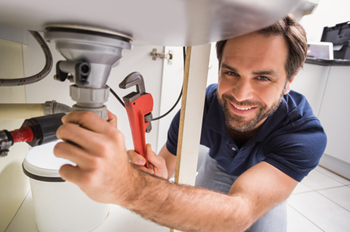 Are the sinks in your kitchen and bathroom, including your tub and showers, taking longer to drain? This is a sign that your pipes are experiencing a buildup. Usually, the cause is grease, hair, soap residue and other gunk. Most of the time, the remedy is simply using a plumber's snake on the affected drain. However, you need to know how to properly use it. Otherwise, you could end up damaging your pipes and even cause a break.
  If you hear water running... from your toilet or somewhere in the walls when no faucets are open, you may have a hidden
  Whenever you need a
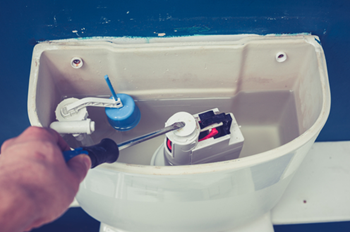 Whichever make or model of toilet you have at home... a failed flush is stressful. After all, you have to pour water from a bucket into the toilet to take away the waste. The underlying problem is sometimes lack of water in the tank or a problem in the flush assembly. Whenever you experience this type of problem, be sure to call your plumber to come and fix it. They will know how to fix a toilet that won't flush. Trying to fix the problem on your own can only worsen the problem.
 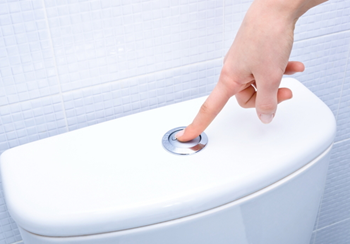 This is one of the most common plumbing problems experienced at home. You flush the toilet, but only a small amount of water releases into the bowl. This can be due to a waterlogged flapper that drops too fast. The timing for the flapper is important. If it drops too fast or too slow, then this affects the capacity for your toilet to flush. Ideally, the flapper should stay up until 80% of the water releases before dropping. If your toilet has this type of problem, you can have the flapper, or the correct toilet repair parts, replaced or repaired. Call a plumber. They will know how to fix a toilet flapper.
  When facing a
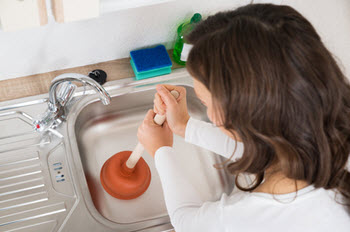
 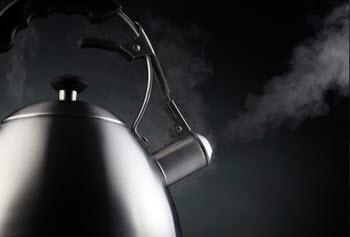 Naturally, pouring grease down the drain doesn't help very much if you already have a grease clog. However, you can fix these problems rather easily. If you have a clogged kitchen sink with sitting water, empty out your sink and bail as much water out of it as you can. Then, heat up a nice teakettle or coffeepot of boiling water and pour this into the sink. That will probably get you going again, even if you have to do it more than once. Outside of grease clogs, many other kitchen clogs occur due to foreign materials that go down the drain. Since the pipes have angles and bends, the materials can't flow through the pipe. Some foreign materials even expand as they soak in water. Think of a kitchen sponge. Sponges expand with water. Imagining this, it is pretty easy to see how these objects have an issue getting through the small opening that makes up a drain pipe. The same goes for things like children's toys,